
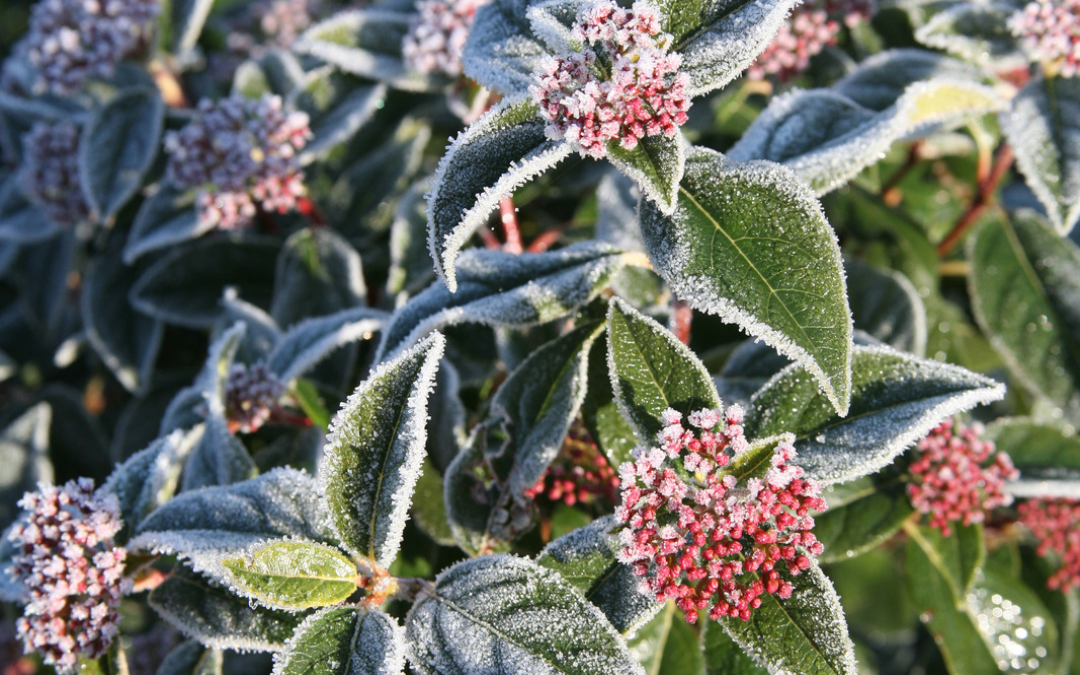
Wrap Up Your Tender Plants
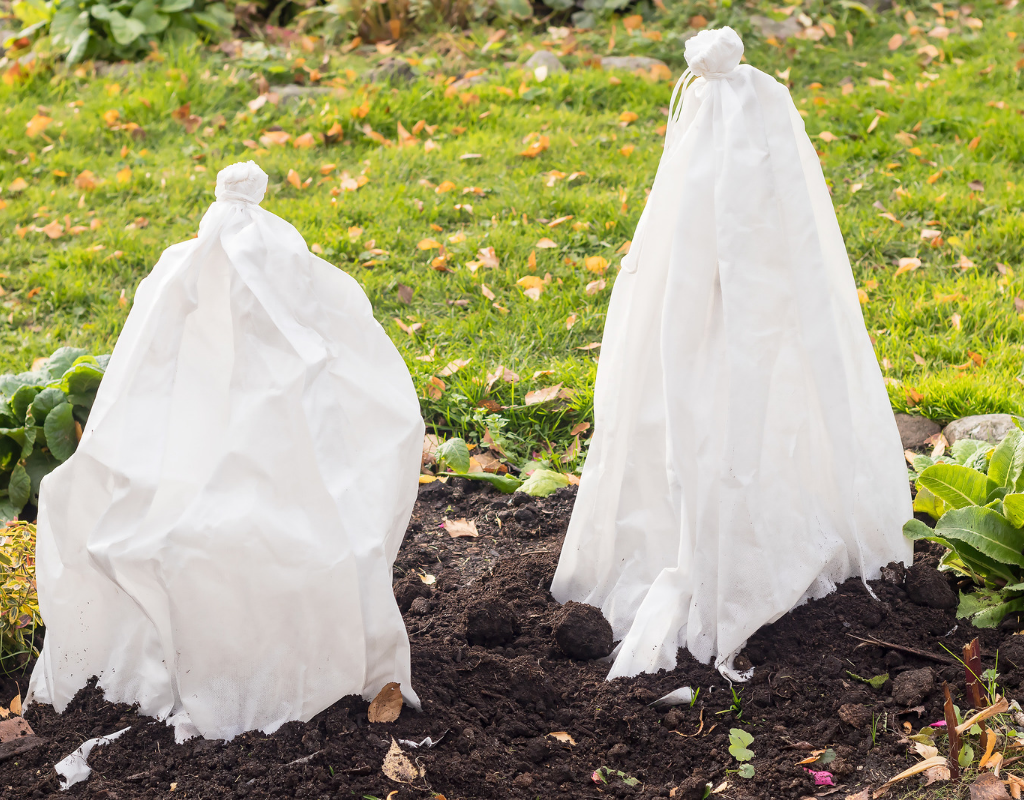
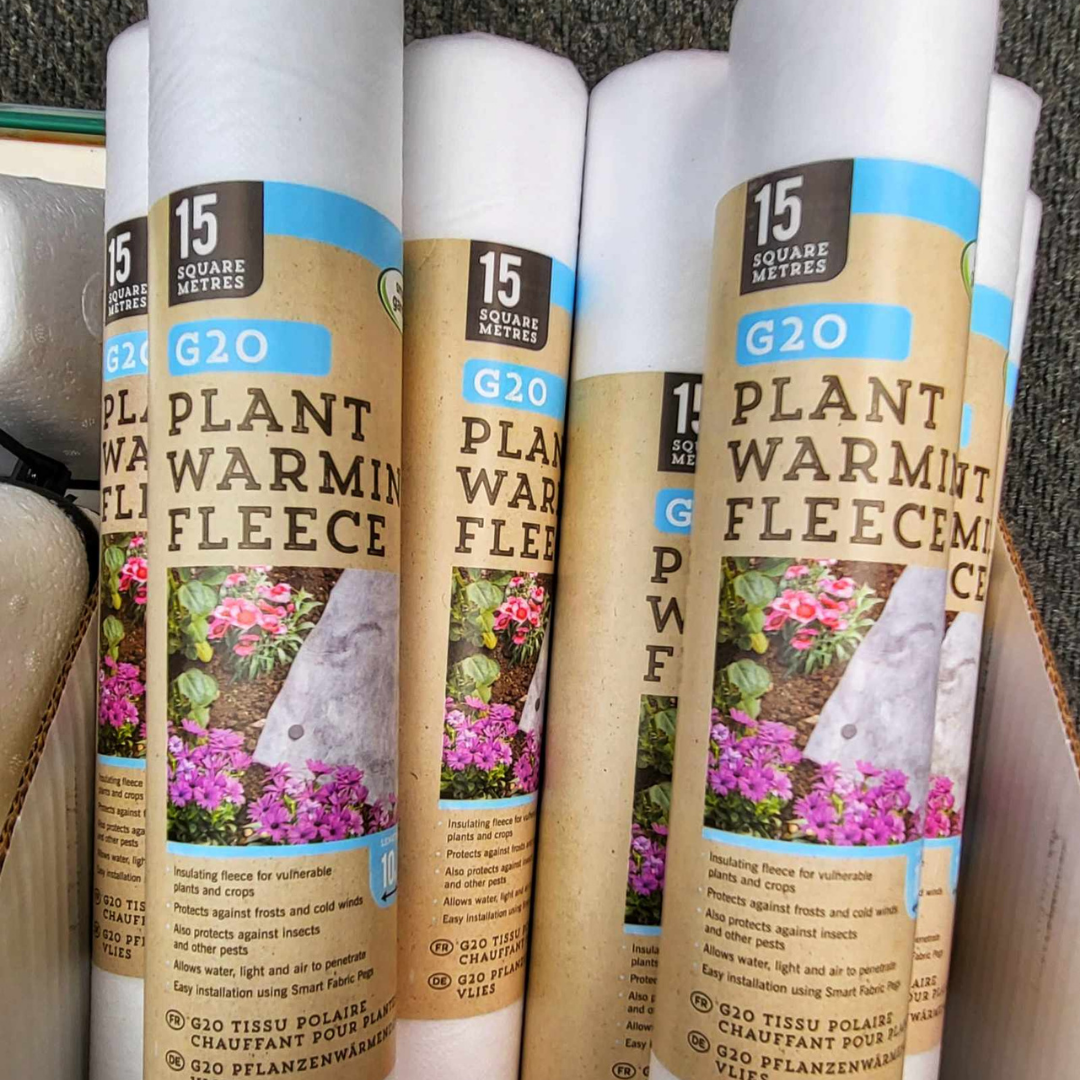
Some plants are more vulnerable to frost than others, particularly tender perennials, young plants, citrus trees and exotic varieties. Horticultural fleece is one of the easiest and most effective ways to protect plants from cold weather. It provides insulation while allowing air and moisture to pass through, helping to reduce the risk of frost damage. You can also use plant protection covers and frost protection bags to shield individual plants, shrubs and small trees. These are particularly useful for potted plants that are too large or heavy to move indoors. Keep fleece and covers handy so you can protect vulnerable plants quickly when a frost is forecast. Remember to remove or open covers during milder weather.
Protect Pots and Containers
Plants grown in pots are often more susceptible to frost as their roots are exposed to colder temperatures, terracotta pots can also crack when moisture freezes and expands. There are several ways to keep your containers protected. Bubble wrap or pot insulation, wrap the outside of pots to help insulate roots, keeping the material clear of foliage and ensuring drainage holes remain unobstructed. Pot feet, raise containers off the ground to improve drainage and prevent them from sitting in cold, waterlogged conditions. Move pots to shelter, place vulnerable containers against a sheltered wall, beneath an overhang or in a frost-free greenhouse where suitable. Group containers together, moving pots closer together in a sheltered spot can help reduce their exposure to cold winds. If you have particularly delicate plants, consider moving them into a greenhouse, conservatory or cool, frost-free space for the winter.
Add a Protective Layer of Mulch
Mulching is a simple way to help protect plant roots from fluctuating winter temperatures. A layer of organic mulch acts as insulation, helping the soil retain warmth and moisture while protecting roots from sudden cold snaps.
Suitable materials include:
- Bark chippings
- Garden compost
- Well-rotted manure
- Leaf mould
Spread a layer around the base of established plants, shrubs, roses and herbaceous perennials. Aim for around 5–7cm of mulch, taking care not to pile it directly against stems or trunks. While it won’t protect every plant from severe frost, it helps insulate the soil and can reduce the impact of repeated freezing and thawing.

Water Wisely During Winter
It might seem surprising, but watering still matters during winter. Plants in containers can dry out even in cold weather, particularly when they’re sheltered from rainfall. However, overwatering can leave roots sitting in cold, wet compost, increasing the risk of root damage. Check the moisture levels of your pots regularly and water sparingly on milder days when necessary. Avoid watering immediately before a hard frost if the compost is already moist. Good drainage is essential, so make sure containers have clear drainage holes and aren’t standing in water-filled saucers. Water butts need a little extra care during winter to protect them from frost and freezing temperatures. You could empty or drain your water butt before severe frosts and disconnect any taps or connecting pipes that could freeze and crack. Keep the lid securely in place to prevent leaves and debris from getting inside and check regularly for leaks or damage. If possible, store removable parts indoors and ensure the water butt is stable and secure during strong winds.

Give Your Greenhouse Some Extra Protection
A greenhouse can provide valuable shelter during winter, but temperatures inside can still drop significantly overnight. Horticultural bubble wrap can help retain heat and reduce temperature fluctuations. Some vulnerable plants may still benefit from extra fleece even inside a greenhouse, to protect them from the cold. You can use a greenhouse thermometer to keep track of overnight temperatures so you know when extra protection may be needed. Keep the greenhouse tidy, and remove any dead leaves and plant debris, and ensure good ventilation when conditions allow to help reduce the risk of fungal problems.

Keep Off Your Lawn in the Frost
Frost can make lawns and garden borders look beautiful, but walking on a frozen lawn can damage grass blades and leave unsightly marks. Where possible, avoid walking on frozen or frost-covered grass until it has thawed, the same goes for delicate foliage. For plants in exposed areas, consider using windbreaks, garden fleece or temporary protective structures to reduce their exposure to cold winds and frost. It’s also worth checking the weather forecast regularly so you can prepare before temperatures fall, rather than trying to protect plants after frost damage has occurred.

Choose Plants That Can Handle the Cold
One of the best ways to create a winter-ready garden is to choose plants suited to your local conditions, hardy shrubs, winter-flowering plants and cold-tolerant perennials can provide colour and interest even when temperatures drop. For seasonal colour, consider winter favourites such as hellebores, winter pansies, violas and cyclamen. Evergreen shrubs and ornamental grasses can also provide structure and texture throughout the colder months. Remember that even hardy plants can suffer if they’re newly planted, growing in exposed positions or sitting in waterlogged soil, good drainage and suitable positioning remain important. If you’re unsure which plants are best suited to your garden, pop in for advice from our friendly plant team, they can help you find varieties that will thrive in your space and recommend the right protection for your existing plants.

Be Frost-Ready This Winter
Protecting your garden from frost doesn’t have to be complicated. A little preparation, some simple protective measures and the right gardening supplies can make a real difference to how your plants cope with winter. From horticultural fleece and frost protection bags to mulch, pot insulation and greenhouse essentials, there are plenty of ways to give your plants a helping hand when temperatures fall. With a little extra care now, you can help your garden weather the winter and look forward to seeing it flourish again when warmer days return.
We’re Here to Help
If you’re looking for advice on something we’ve not mentioned above, our friendly staff are always on hand to help.