
September and October are the ideal months to help your lawn recover from a hard summer of hot weather and heavy use. Ideally, conditions are still warm enough for the grass to grow, but not so warm, wet or cold that growth slows down.
As with spring lawn care, preparation should always come first. It’s an often-overlooked part of lawn maintenance, but the time and effort you put in now will make a real difference to the health, strength and appearance of your lawn next year.
Rake Out The Thatch and Remove Larger Weeds
Start by raking out any excess thatch and removing the larger weeds. Don’t be alarmed if the lawn looks worse before it looks better, this process can expose bare patches and areas of weaker growth. While it may not look great in the short term, removing thatch and weeds gives the grass the space and conditions it needs to recover properly.
Aerate The Lawn
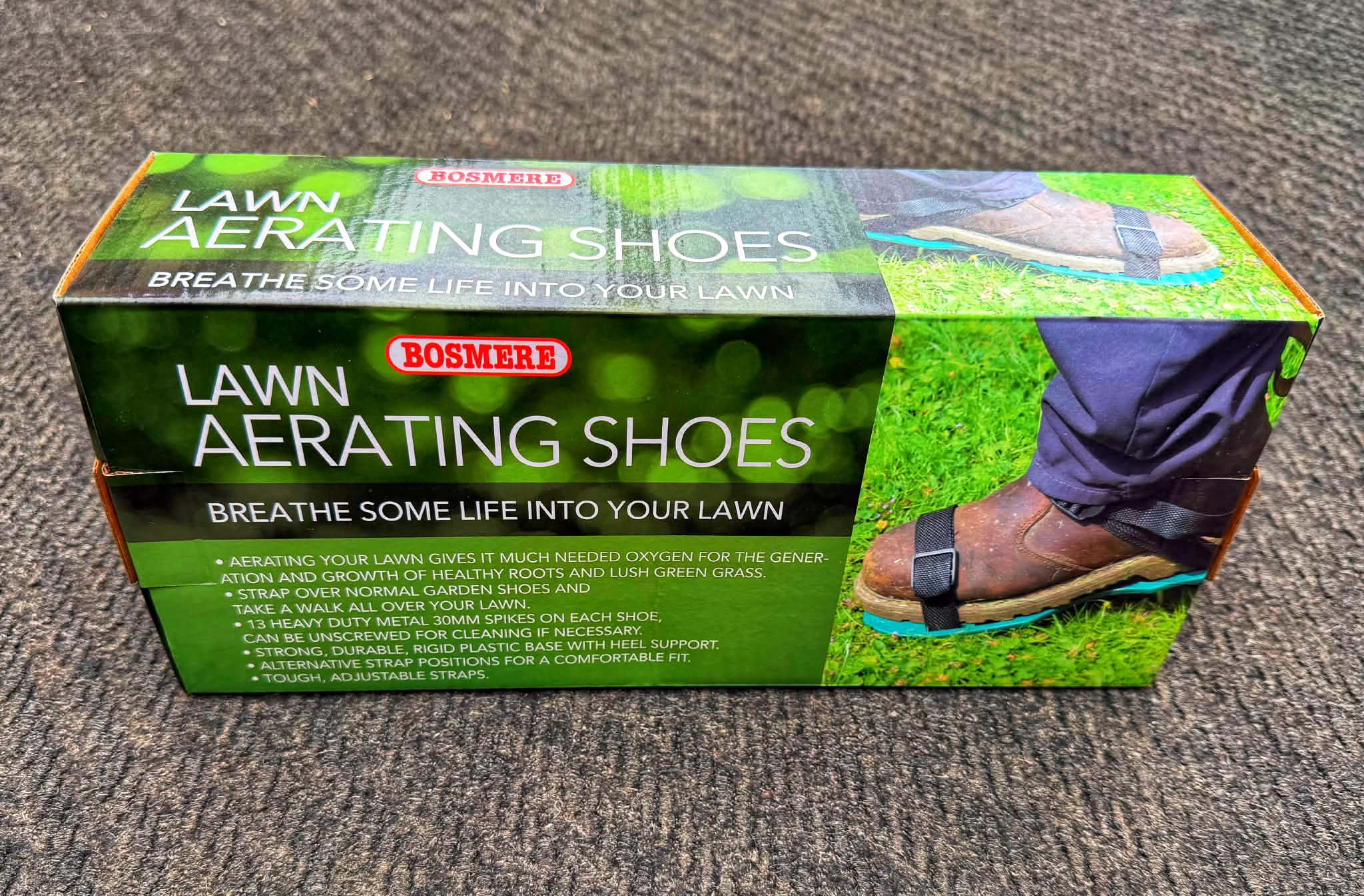
Next, aerate the lawn by spiking it with a garden fork, or use the aerator shoes we sell. Aeration helps to break up compacted soil and allows water, air and nutrients to reach the grass roots more effectively.
This is particularly important after a summer of heavy use, when the soil can become compacted and baked hard. Improving the structure of the soil now will not only help your lawn recover this autumn, but can also help the grass cope better with dry conditions and drought in future years.
If you don’t have time to complete all of the preparation steps, make aeration your priority. Even if you only treat the worst-affected areas, such as the most compacted sections or those that receive the highest levels of foot traffic, it can make a significant difference.
Top Dress The Lawn
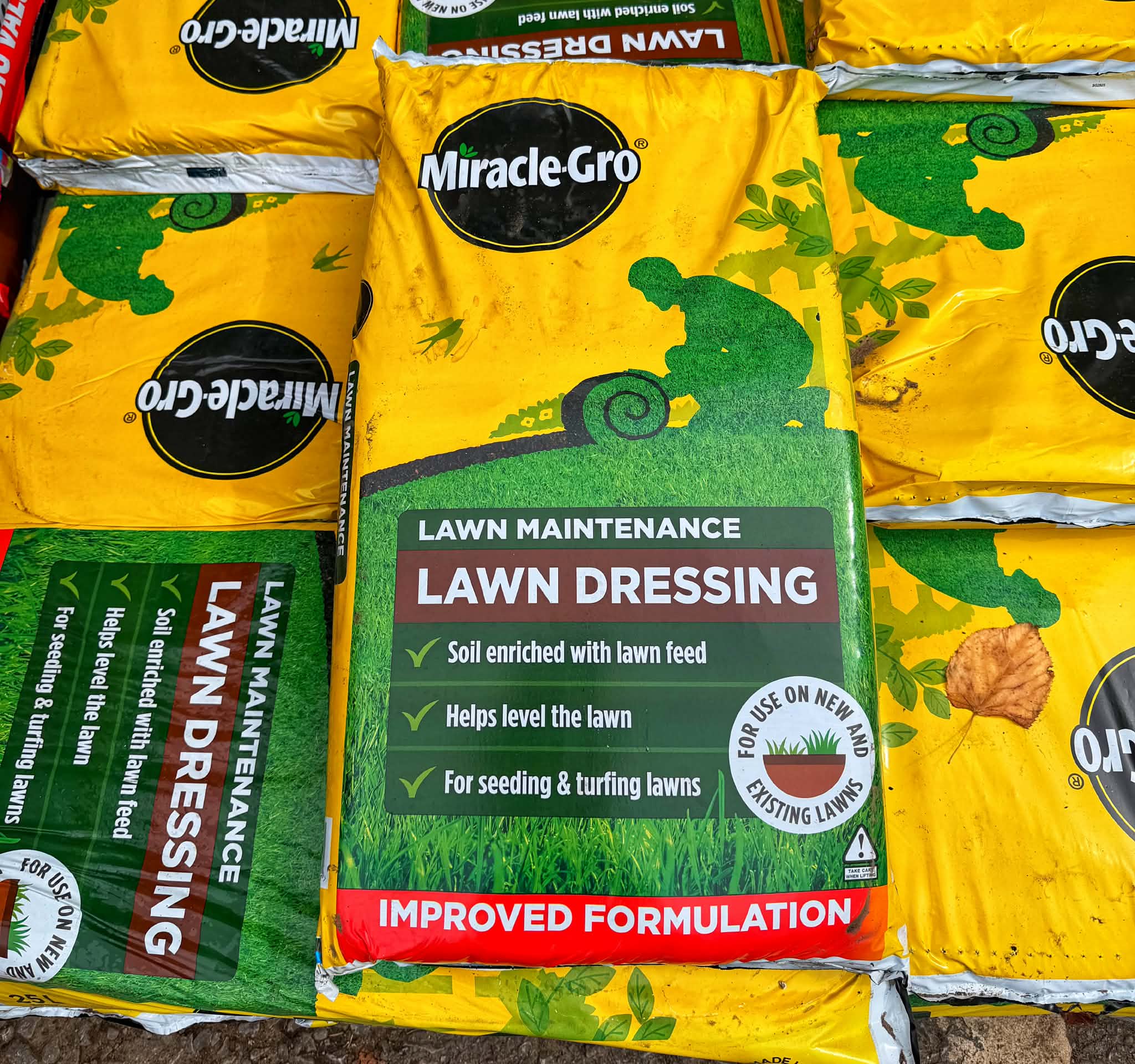
Once you’ve aerated the lawn, apply a top dressing to the affected areas. You can make your own by mixing soil and sand, but for ease and consistency, we recommend using Evergreen Lawn Dressing.
Spread approximately one shovel-full per square metre, then use a stiff brush to work the dressing into the holes created during aeration. This helps to improve the soil structure, fill any small depressions and create better growing conditions around the grass roots.
Feed The Lawn
Finally, give your lawn a good feed. At this time of year, it’s best to use a dedicated autumn lawn feed, such as the Evergreen Autumn Lawn Feed we sell.
Unlike a standard lawn feed, an autumn formula is designed specifically to prepare the grass for the colder months ahead. It encourages stronger root growth and helps the grass build up the strength it needs to withstand winter conditions. It also contains a moss killer, helping to tackle moss while feeding the lawn.
If Your Lawn is in Really Poor Condition
If your lawn needs a more intensive recovery treatment, Evergreen 4-in-1 Complete can be used in early September. It has a higher feed rate and also contains a weed killer, giving a struggling lawn a stronger boost as it begins to recover.
Because of the higher feed rate, it’s best used early in September and not later than the end of the month, depending on the weather. You don’t want to encourage lots of soft, fresh growth too late in the season, as this can be more vulnerable to frost.
Both autumn lawn feed and Evergreen 4-in-1 Complete are best applied shortly before rain is forecast. If there’s no rain within a couple of days, the lawn should be watered thoroughly to ensure the product is properly watered in.
Important: Keep children and pets off the lawn until the product has been watered in.

New Turf and Seeded Areas
If you’ve laid new turf or seeded bare areas, avoid feeding these sections until the grass is well established, generally for at least a couple of months, meaning it’s best to wait until spring before applying a lawn feed. You can, however, feed the established grass around the newly laid or seeded areas as normal. Take care to avoid getting the fertiliser directly onto the new turf or seedlings.
Repairing Bare or Dead Patches
Repair bare or dead patches by first following the appropriate aeration steps. Remove any dead grass by digging it out, then loosen the surface and level the area with a layer of topsoil, creating a fine, even surface ready for sowing.
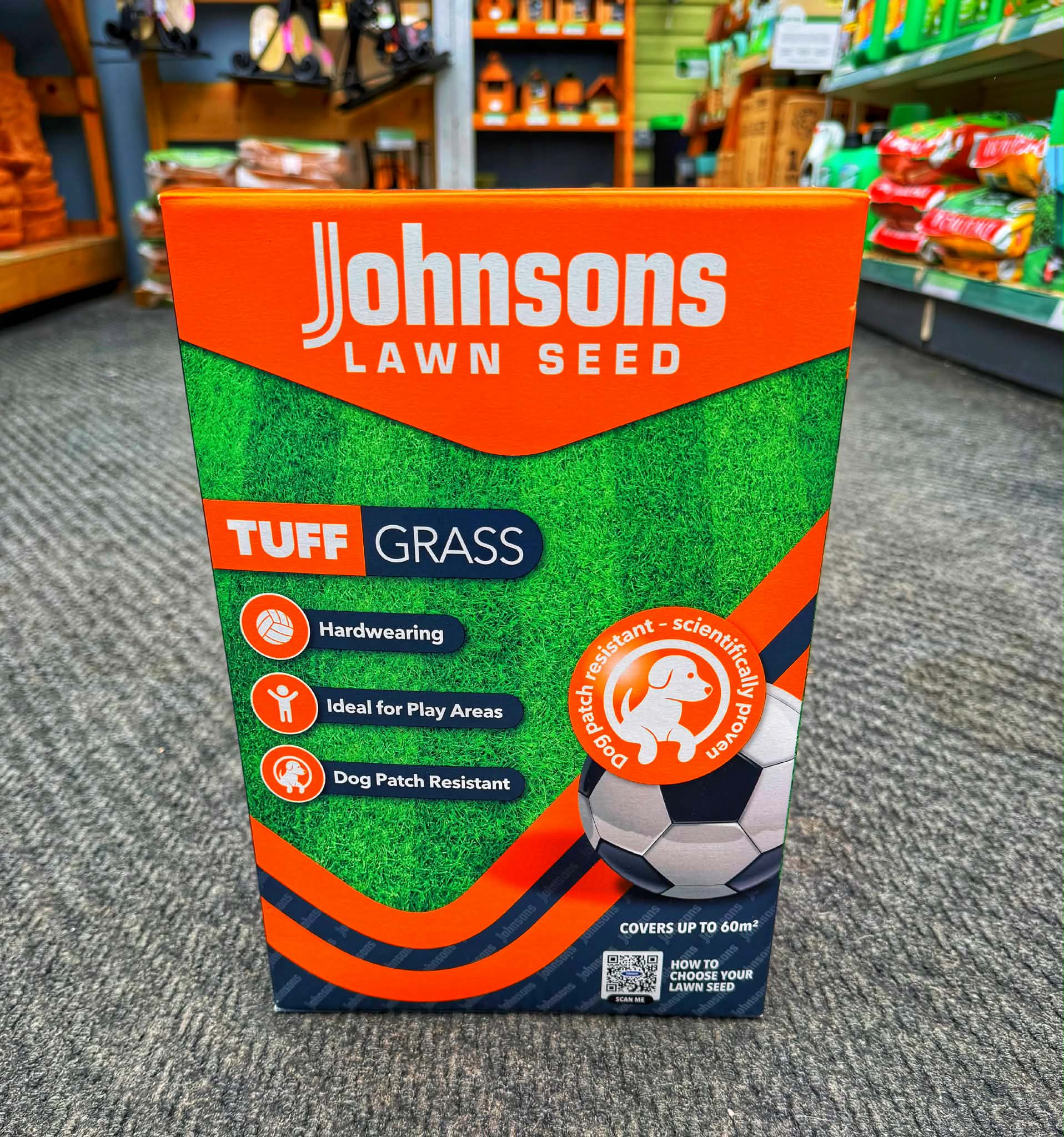
Sow your chosen grass seed, keeping in mind that different seed types, such as quick-germinating, shade-tolerant or luxury mixes have different requirements. Always follow the instructions on the seed packet for the best results.
Once sown, lightly cover the seed with lawn dressing or a fine layer of topsoil. If you have lots of birds visiting your garden, cover the newly seeded area with a light fleece. This will still allow light and rain through to support germination while protecting the seed from hungry beaks.
It’s also a good idea to keep your bird feeders topped up elsewhere in the garden, giving your feathered visitors an easier meal while your new grass gets established.
Keep an eye on the temperature, too. Most grass seed needs soil temperatures of around 6°C or above to germinate, so don’t leave autumn repairs too late. As temperatures begin to drop, watch out for frost, which can slow or prevent germination and make it harder for new seedlings to establish.
Smaller Patches
For smaller bare or dead patches, you can use Miracle-Gro Patch Magic. You’ll still need to remove the dead grass and loosen the surface, but after that, the remaining stages are covered by the Patch Magic mix including the seed, growing medium and nutrients.
The only thing you’ll still need to consider is protection. If you have lots of birds visiting your garden, cover the treated area with a light fleece to protect the seed while still allowing light and rain through for germination.
Great Time to Lay Turf
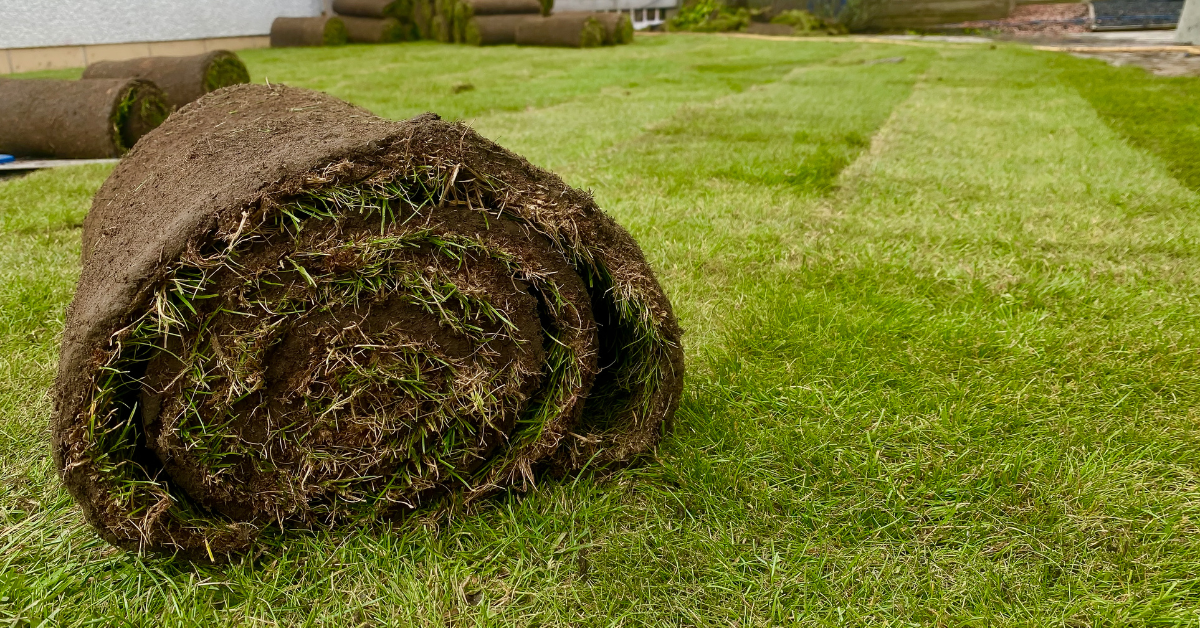
Autumn is a great time to lay turf. You’ll still need to remove any dead grass or unwanted growth and prepare the ground properly, levelling it with a good layer of topsoil to create a firm, even surface.
The big advantage of turf is the instant transformation, you’ll have a fresh, green lawn straight away rather than waiting for seed to germinate and establish.
However, don’t forget to keep an eye on the weather. New turf can take several weeks to root firmly into the soil, so laying it too late in the season can leave it vulnerable to frost. A severe frost before the turf has properly rooted can damage the new grass and, in extreme conditions, cause it to die back.
As always, give your new turf plenty of water while it establishes and avoid walking on it unnecessarily until it has rooted.
Watering and Feeding
Keep newly sown seed and freshly laid turf well watered during dry weather, as both need moisture to establish strong roots. Avoid letting the surface dry out, particularly during the early stages of establishment.
There’s no need to feed the lawn before winter. Once the weather cools and growth naturally slows, the lawn will require less nutrition, so save any feeding for the appropriate time in spring.
We’re Here to Help
If you’re looking for advice on something we’ve not mentioned above, our friendly staff are always on hand to help.