
Clear Out Spent Summer Pots and Hanging Baskets
It’s time to say goodbye to tired summer annuals and replace them with fresh and vibrant wintering bedding plants. Empty old pots and spent plants onto the compost, and clean containers thoroughly to prevent pests and diseases from overwintering. If you’re looking for inspiration, we have an easy step-by-step guide to creating your own winter hanging basket, here!

Create Cheery Winter Pot Displays
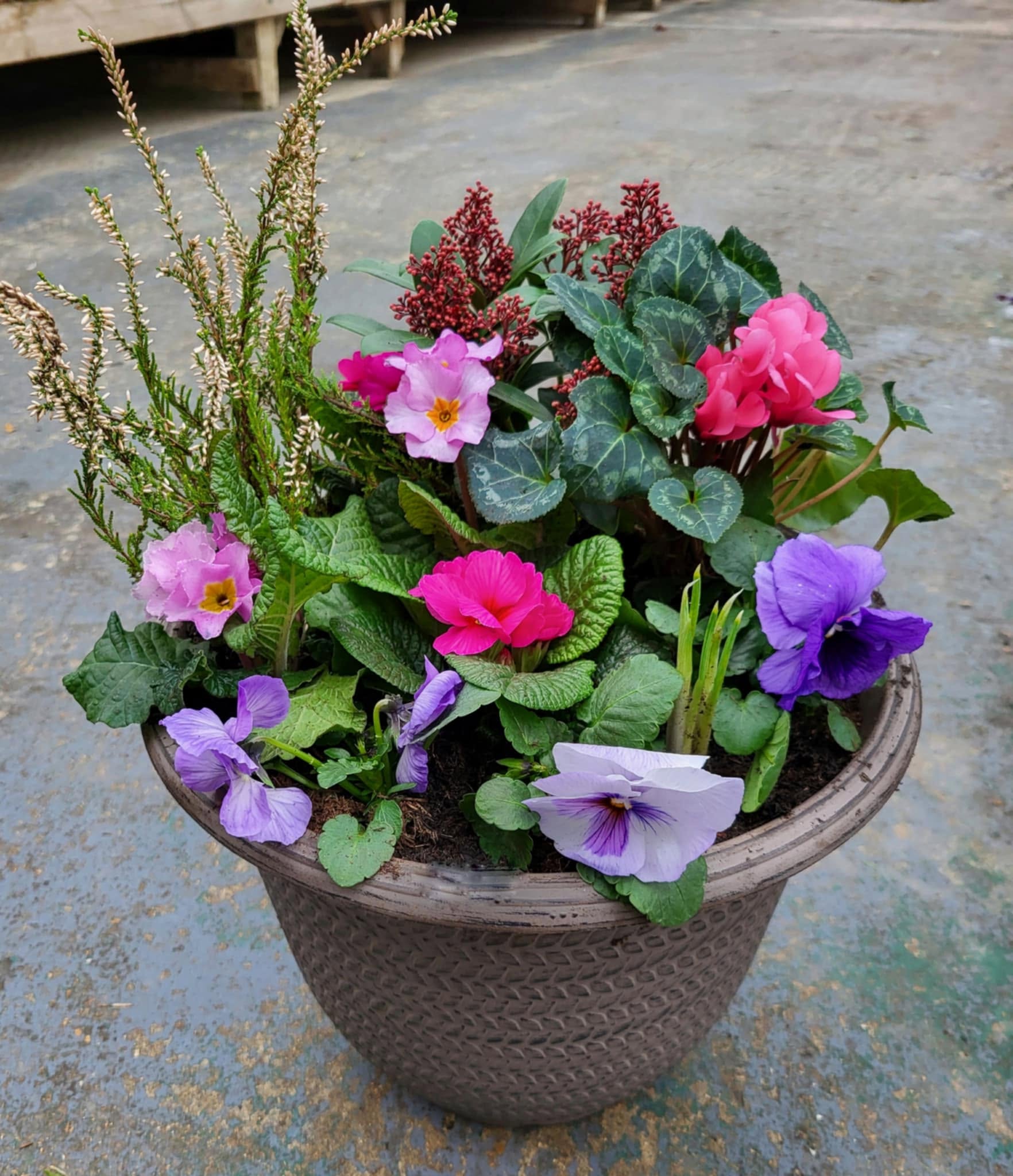
Brighten up your doorstep, patio or balcony with beautiful winter container planting. With the right combination of hardy plants, you can create displays that provide colour, texture and interest throughout the colder months, even when the rest of the garden is looking a little bare. Great options for winter containers include:
- Heathers – hardy and dependable, with delicate flowers that add colour and a soft, natural texture.
- Cyclamen – perfect for adding vibrant pops of colour, with pretty flowers that stand out beautifully against darker winter foliage.
- Pansies and Violas – cheerful, reliable and available in a wonderful range of colours, making them ideal for brightening up winter displays.
- Skimmia – an excellent evergreen choice, offering glossy foliage and attractive buds or berries for added seasonal interest.
Combine evergreen foliage with pops of seasonal colour, and vary the heights, textures and shapes of your plants to create a container that looks interesting from every angle.
Looking For Ideas?
Take a look at our latest video where Al walks you through creating a beautiful layered bulb planter, step by step! Click Here!
Lift and Pot Up Tender Perennials
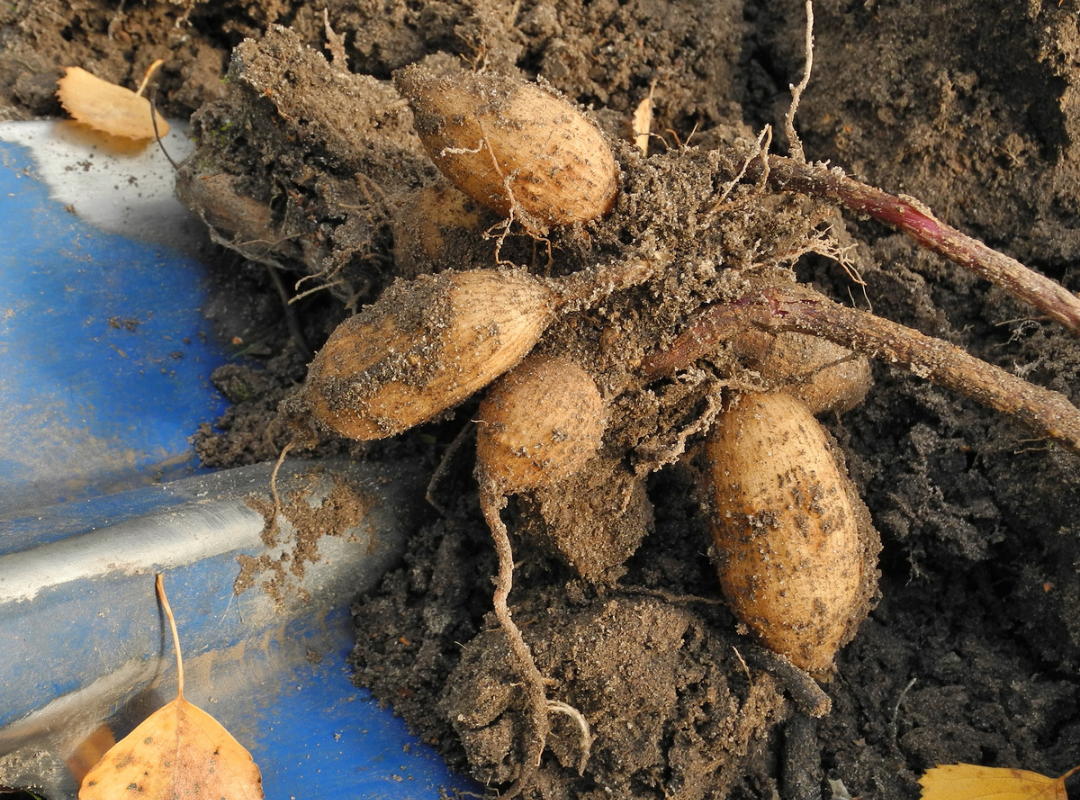
If you have tender plants like canna’s, banana plants and bouganvillia now’s the moment to lift them from beds or containers and move them somewhere sheltered. Pot them up and place in a greenhouse, conservatory, or bright frost-free spot. If you have damp/clay soil, it’s best to lift any dahlia tubers to prevent them from rotting in the ground and store them over winter in a frost-free location. Just lift them from the garden, trim back the foliage (if it hasn’t already died back because of frost), clean off the tuber, removing as much soil as you can, dry it off with a towel and then place it in a pot of dry compost covering the tuber, put in the garage or your greenhouse and leave it until the spring. If you’re fortunate to have good draining soil, then there is no need to lift, you can simply cover them with a good layer of mulch to protect them from the cold.
Plant Evergreen Shrubs, Fruit Trees, and Hedges
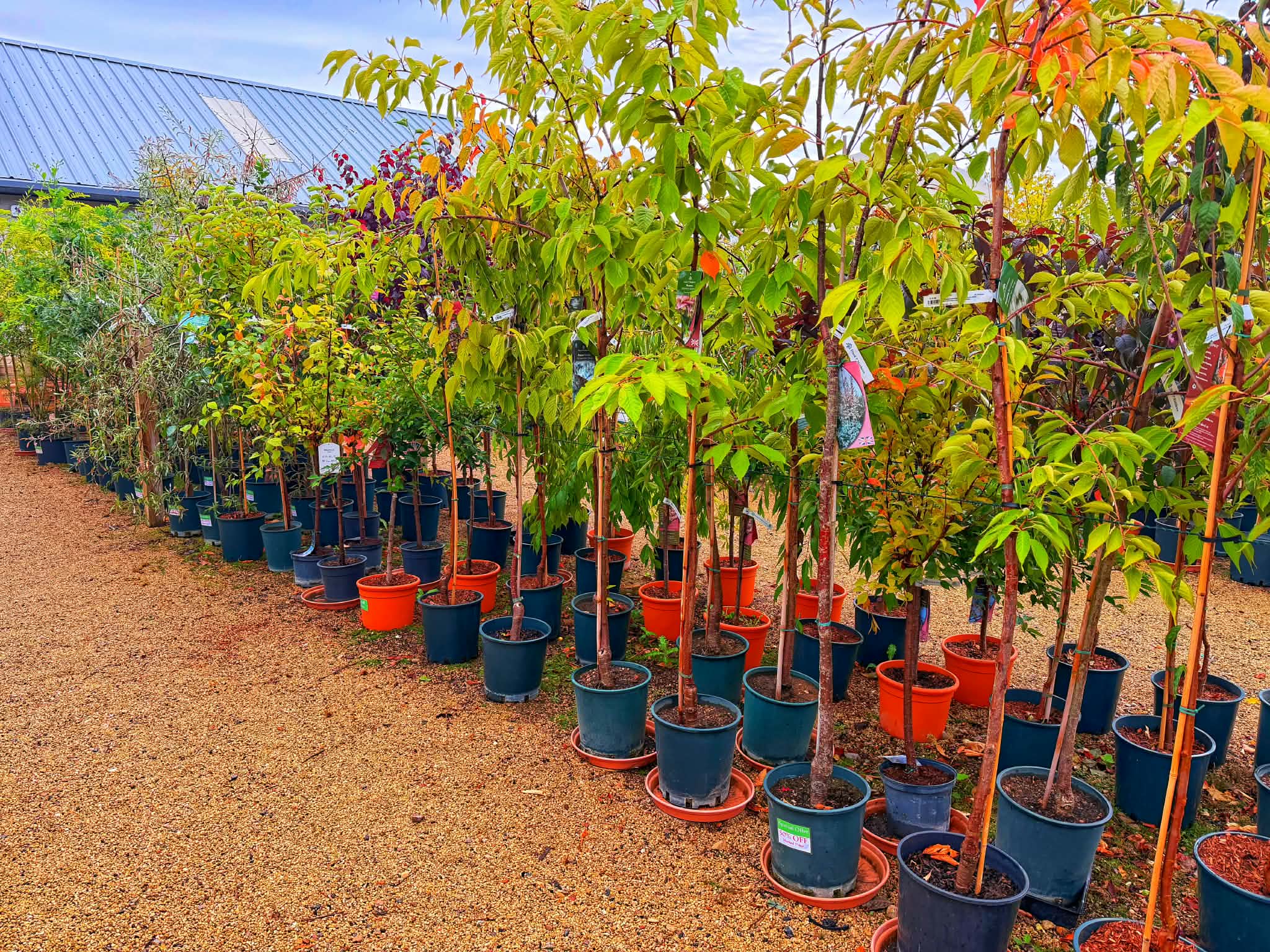
November is a brilliant time for planting as the soil is still warm, and the cooler air reduces transplant shock. It’s perfect for establishing evergreen shrubs and trees, fruit trees (apple, pear, plum, etc.) and new hedging plants. This is also a good time to move any deciduous shrubs that are poorly placed or have outgrown their space. Don’t forget to water newly planted trees and shrubs during dry spells to help roots establish before the ground freezes.
Protect Your Pots from Frost and Waterlog
To prevent root rot and waterlogging, it’s a good idea to remove pot saucers, and raise pots off the ground using pot feet, bricks, or purpose-made risers. This helps excess water drain away and prevents frost damage to your containers. Whilst removing the saucer, check the pots for any damage whilst you have them off the ground. Most pots are frost proof but any crack or chip will allow water to get past the pots sealed surface and make them more likely to fail, although the normal cause of winter pot failure is the expansion of the over wet compost literally pushing the pot apart, another good reason for using pot feet in the colder months to ensure that good drainage.

Rake Fallen leaves
Fallen leaves are a classic autumn sight, beautiful, yes, but they can also smother your lawn and harbour pests if left too long. Use a garden rake or leaf blower to clear paths, lawns, and garden beds, BUT don’t toss all the leaves! Leaves are a great addition to your compost heap, adding nitrogen rich organic matter but its best to shred them first to speed up the process, this is easily done by running them over with the lawnmower. Or you could turn them into leaf mould, once you have shredded them, just place them in a bin bag, moisten the leaves inside, slice a few holes in the bag and leave them to decompose. This will create a great ‘super compost’ that can be used as a seed compost or added to normal compost or soil to add a boost. The best part is that once you’ve bagged it, you don’t have to do anything else, just leave the bags on a unused bit of the garden and wait for nature to take its course, but be warned, to get the best results can take a couple of years. If you have pine needles (say from an old Christmas Tree), the same process would make acidic compost which would be ideal for Rhododendrons or Camellias.

Prepare Your Lawn
Autumn is one of the best times to treat your lawn, when there is time for the grass to respond before the soil gets to cold and hard and before growth terminates for the season. Follow this link for more information on how to care for your lawn in the autumn!
Mulch!
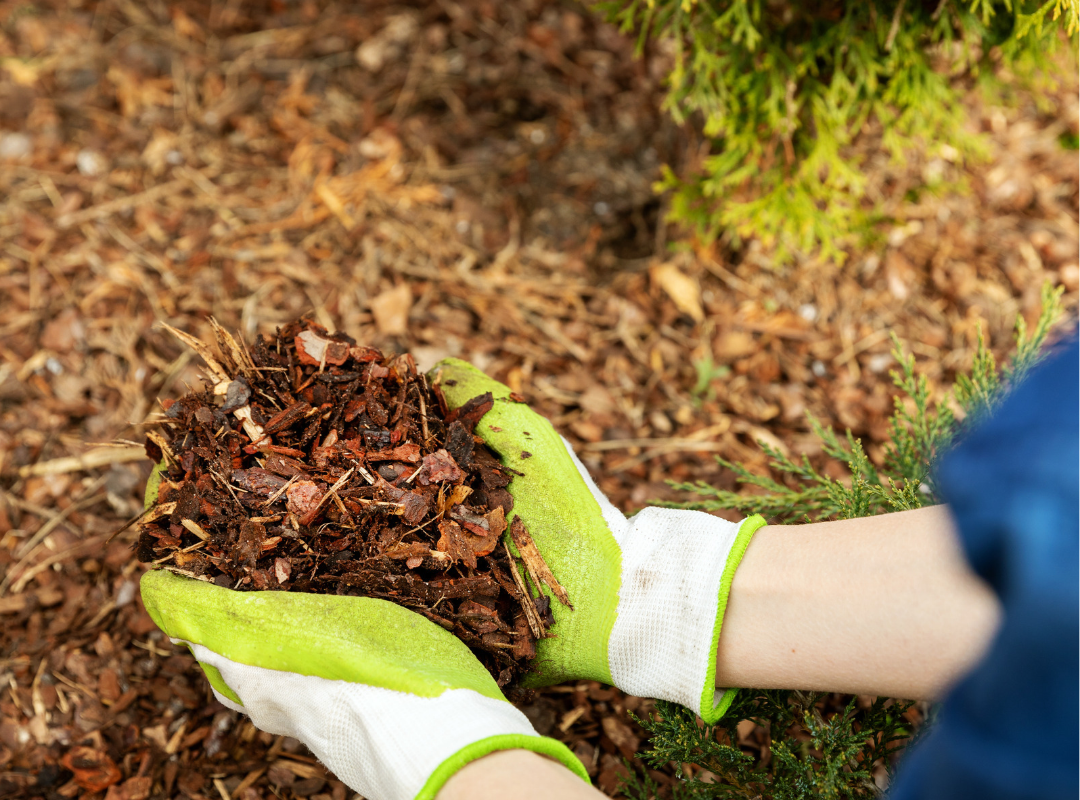
Once the garden is clear, one of the best things you can do for your plants heading into winter is to lay down mulch. It helps insulate roots from temperature swings, suppresses weeds and retains soil moisture. It also helps to build healthier soil as it breaks down. How to mulch? Shredded leaves work great, just make sure they’re dry and chopped to prevent matting. Spread a 2–3 inch layer around plants and over empty beds, but remember to keep mulch away from stems or trunks to prevent rot.
What is Mulch?
Put simply it is a thick layer of organic matter that you use to cover the soil, it can be compost, manure, bark, leafmould or a mixture of any them. The purpose is to benefit the soil health and help feed the plants, with the positive byproduct of controlling the weeds and making a bed or border more pleasing to look at. It also helps retain moisture in the summer, so you water less, whilst also protecting the soil from heavy rains in the winter preventing waterlogging
Harvest and Store Vegetables
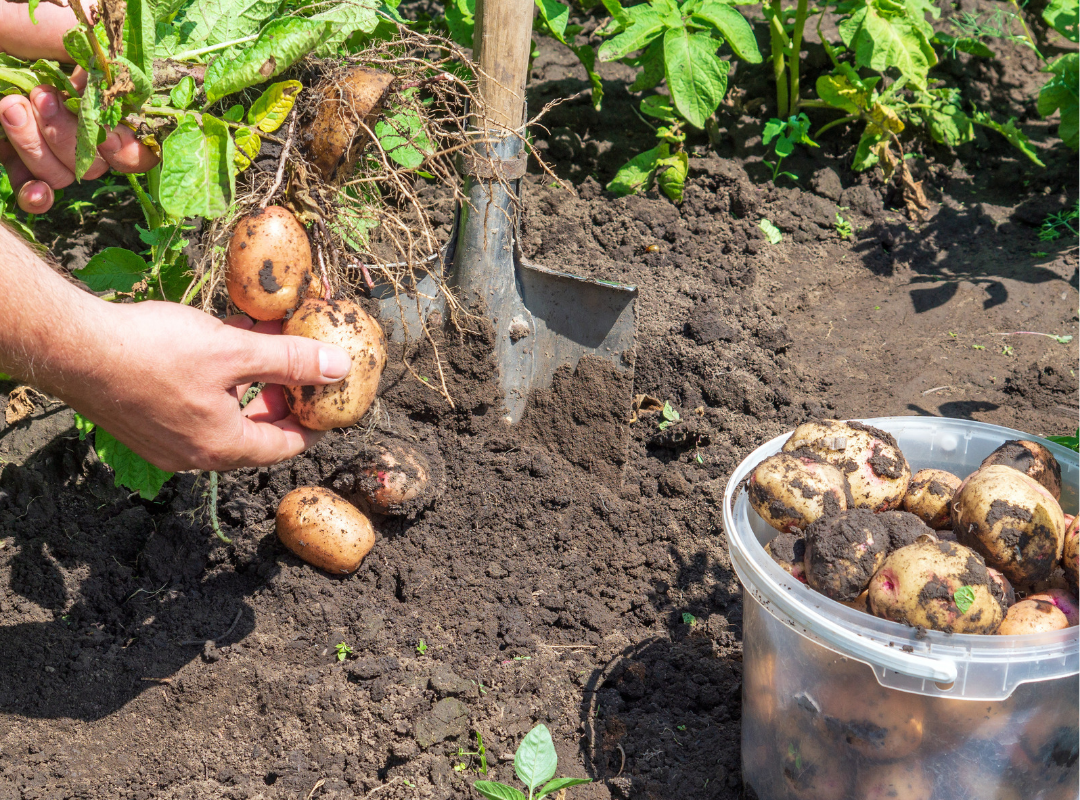
If you’ve been growing vegetables, now is the time to gather the last of the harvest before colder weather arrives. Pick any remaining crops that are ready, including pumpkins, courgettes, beans and leafy greens, and remove damaged or overripe produce. Root vegetables such as potatoes, carrots and beetroot can be lifted and prepared for winter storage. Keep them in a cool, dark, dry and well-ventilated place, checking them regularly and removing any that show signs of rot. For frost-sensitive plants that are still growing, use cloches, fleece or row covers to provide extra protection when temperatures begin to fall, we have plenty of these available, and a very helpful shop team that can advise you on this.
Extra Tidy-Up Tips
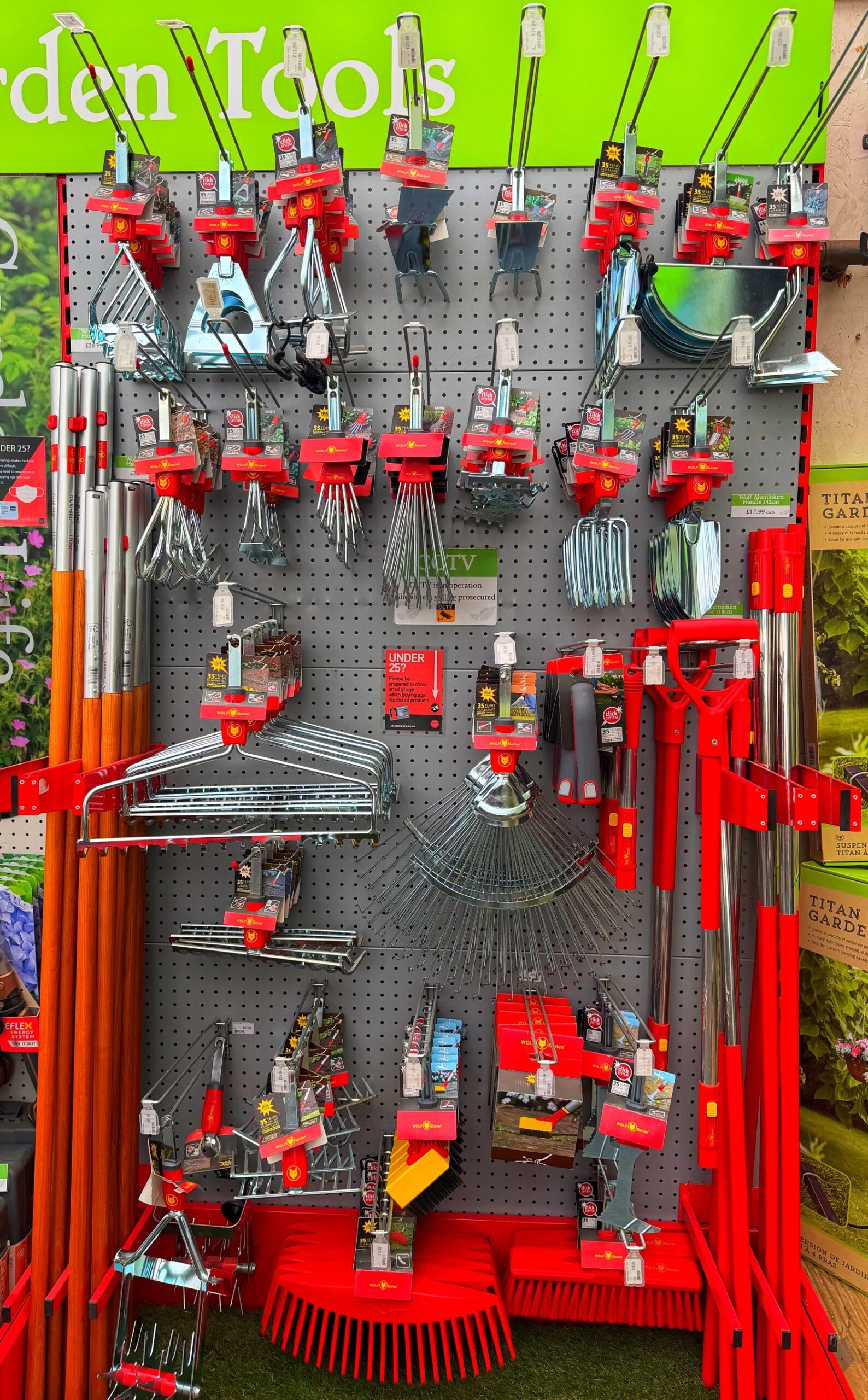
Trim back dead growth from perennials, but leave some for wildlife if you can, they provide shelter for beneficial insects. Now is a good time to edge your beds, it gives a neat look and keeps mulch in place. It is also a great time to clean your tools and before putting them back in the shed for the winter, give those blades a good sharpening especially on secateurs or shears, a few minutes with a sharpening stone or file will make a big difference when you need to use them again in the spring. If you’re in need of new gardening tools, we have a great selection to help you tackle all your gardening jobs with ease, from essential hand tools to practical equipment for bigger projects. A little effort now will pay off in a big way next season, from planting the last bulbs to tucking tender plants in for winter, these tasks will keep your garden healthy, tidy, and full of potential. So, grab your gloves, layer up, and enjoy these final hands-on moments in the garden before winter takes hold!
We’re Here to Help
If you’re looking for advice on something we’ve not mentioned above, our friendly staff are always on hand to help.